


It feels wonderful to go to a place with clean air. Breathing clean air has a positive impact on the entire body, promoting both mental and physical health.
The effects of polluted air on us are serious, so it is important to always keep the air around us clean. In particular, the air in rooms where we spend a lot of time can be surprisingly dirty.
We will explain the causes, effects, and countermeasures for indoor air pollution.
Is the air in your room really this dirty?
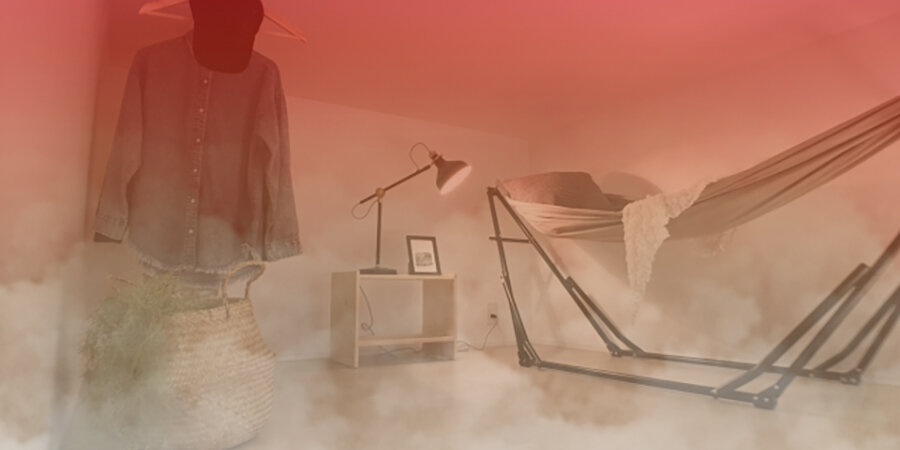
Even if you don't think the air in your room is particularly dirty, you might be surprised to learn how dirty it actually is. When comparing outdoor air with indoor air, indoor air is more than twice as dirty as outdoor air, and in some cases, even five times dirtier.
However, in addition to outdoor air entering the room, dandruff and shed skin from the human body, dust and fibers from clothing and paper products, dust mite carcasses from futons, and chemical substances accumulate indoors, making the air much dirtier than outside. Furthermore, it has been pointed out that cooking fumes also pose a risk.
What are the effects of indoor air pollution?

Air pollution in a room has negative effects on our bodies, minds, and the room itself. Let's look at some of these effects.
1. Decreased immunity

Breathing in airborne dust does not immediately make you sick, as outdoor air also contains a lot of dust.
Even if the body doesn't constantly fight invading pathogens, the activity of B cells, which fight off pathogens, becomes excessive. This can lead to an imbalance in immunity, making you more susceptible to colds and influenza during the winter.
2. Increased susceptibility to respiratory diseases

When indoor air is polluted, you become more susceptible to respiratory diseases. This is because mold and viruses in the air attack the mucous membranes. As a result, you may experience a sore throat or incessant sneezing.
Furthermore, if symptoms worsen, there is a risk of bronchitis, asthma, and pneumonia. Pasteurella bacteria found on pet fur are known to cause pneumonia and other infections, and are particularly dangerous for diabetic patients.
3. Worsening of allergy symptoms

Indoor air contains a large amount of fine dust, bacteria, and viruses.
People with hay fever may find that their symptoms don't improve even after returning home, or they may start reacting to other allergens.
4. Improved efficiency of heating and cooling equipment
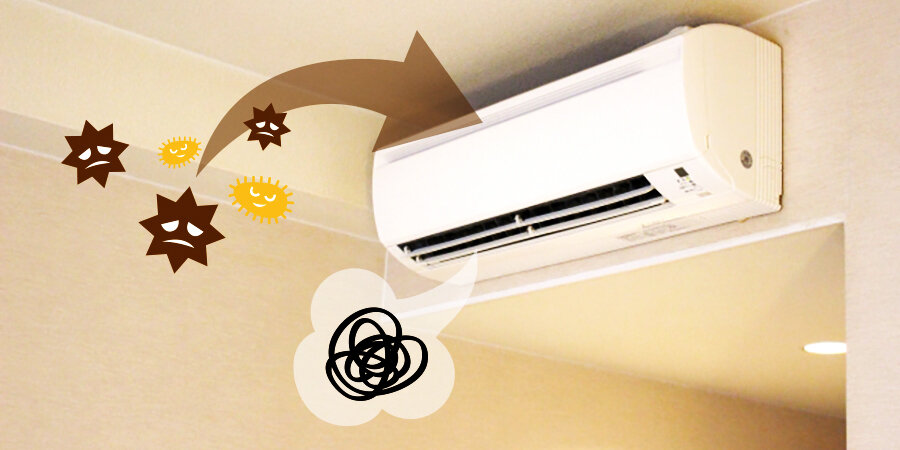
If the air in the room is dirty, there is concern about the neglect of air conditioners, heaters, and air purifiers.
If dust accumulates not only in the filters but also in the ducts and fans, the equipment will not be able to perform its functions effectively. This can lead to increased electricity bills and a shorter lifespan for heating and cooling equipment and air purifiers.
5. Decline in quality of life and work performance
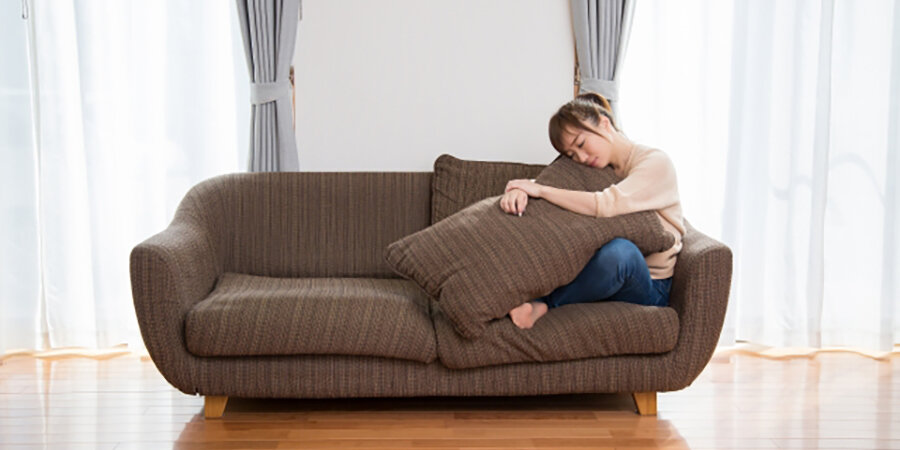
Air pollution can negatively impact the quality of life, for example, by reducing the efficiency of air conditioning and heating or worsening allergy symptoms. If you feel sluggish or have persistent headaches, the quality of your housework and work may also decline.
What causes indoor air pollution?
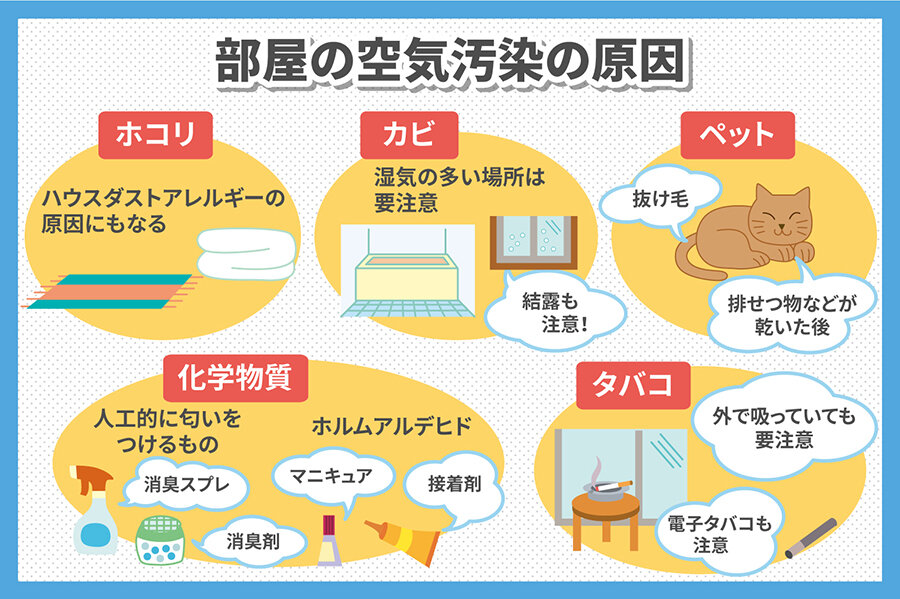
To protect ourselves from the negative effects of indoor air pollution, let's consider what causes the air in a room to become dirty.
1. Dust
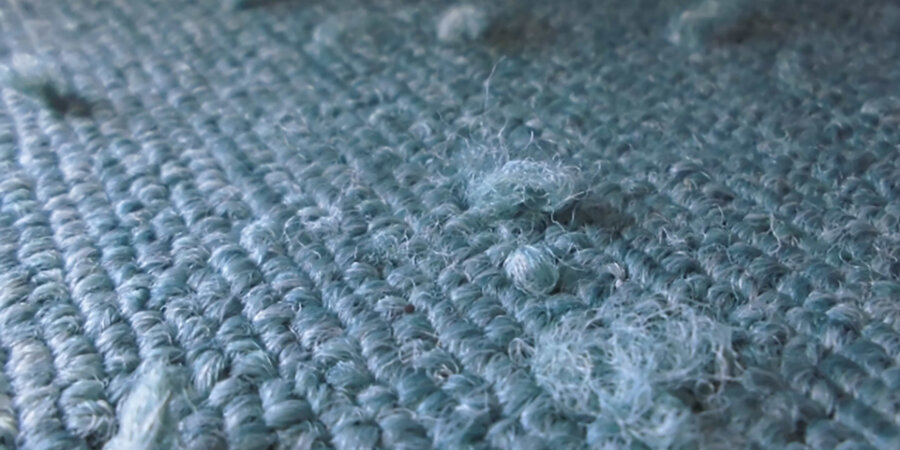
There are many sources of dust, and it is a cause of house dust allergies, so it is best to remove as much as possible.
2. Mold
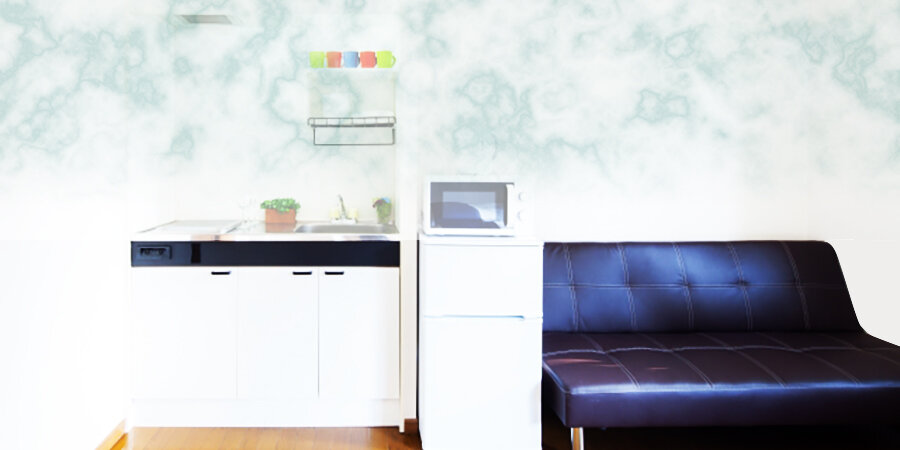
Mold grows in damp places. Mold is also one of the causes of air pollution in rooms.
3. Pets

If you have pets, they might be contributing to the pollution of the air in your room. Pet hair, saliva, and bacteria airborne after dried urine can have adverse effects on human health.
4. Chemical substances

We use chemical substances frequently in our daily lives. Many of them are harmless to the body, but some chemical substances can pollute indoor air.
5. Tobacco smoke
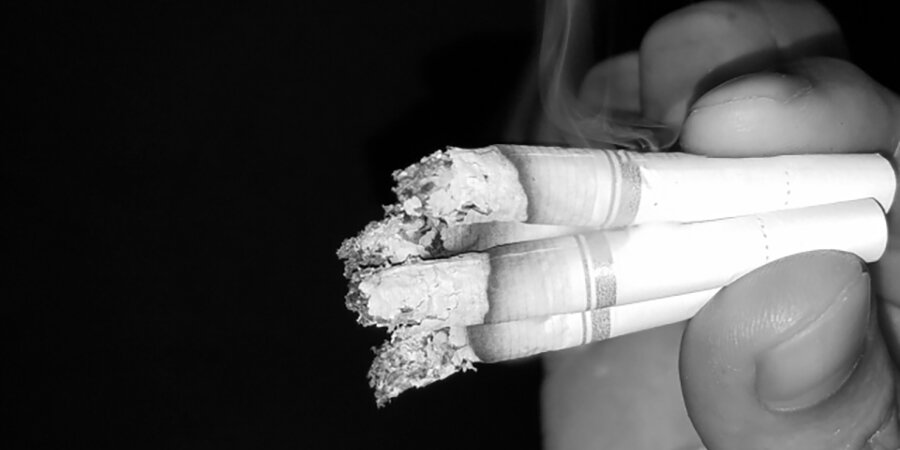
If there is a smoker in the family, tobacco smoke is highly likely to be a cause of air pollution in the room. Even if they don't smoke indoors, polluted air can enter the room from the balcony or other outdoor areas.
What are the measures to combat indoor air pollution?
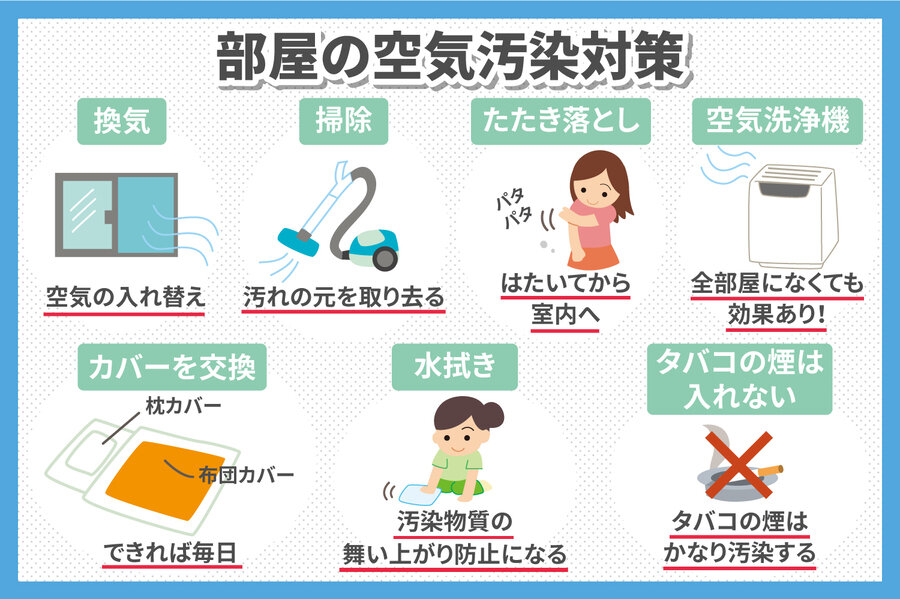
There are multiple causes of indoor air pollution, so let's consider what measures can be taken to purify the air in a room.
1. Ventilate
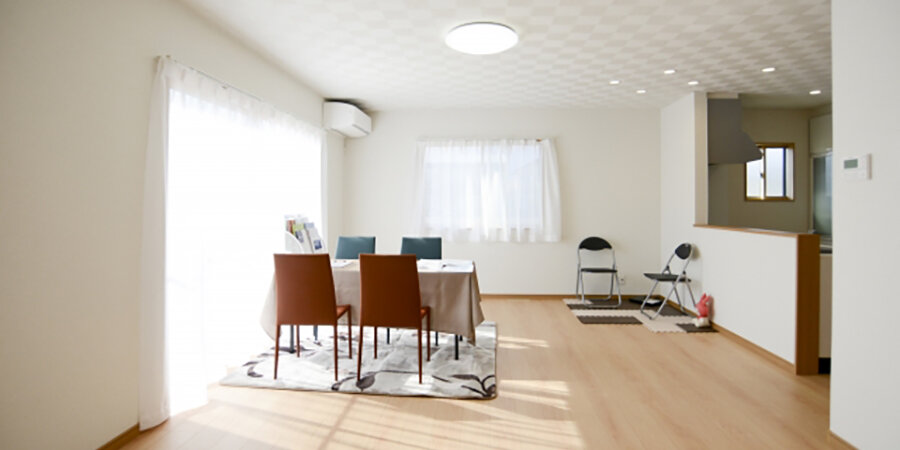
One of the easiest measures anyone can take is "ventilation." Open windows daily to let in outdoor air. By expelling accumulated dirt from indoors, you can clean the indoor air to some extent. However, caution is necessary during allergy season, as it may worsen symptoms.
2. Clean regularly

To maintain clean indoor air, removing the source of pollution is generally effective. Substances that pollute the air, such as dust, dust mite carcasses, fabric fibers, and mold, can be largely removed through cleaning. The bedroom, where you likely spend a long time, should be cleaned particularly thoroughly.
3. "Brush off" upon returning home

Keeping the indoors clean is meaningless if you bring pollutants in from outside. When you return home, brush off dust, yellow dust, and pollen from your clothes and hair before entering the room.
4. Use an air purifier

Using an air purifier is also a good way to keep indoor air clean. If it's difficult to install one in every room, even placing one in the bedroom or children's room can be effective.
5. Change pillowcases and duvet covers daily
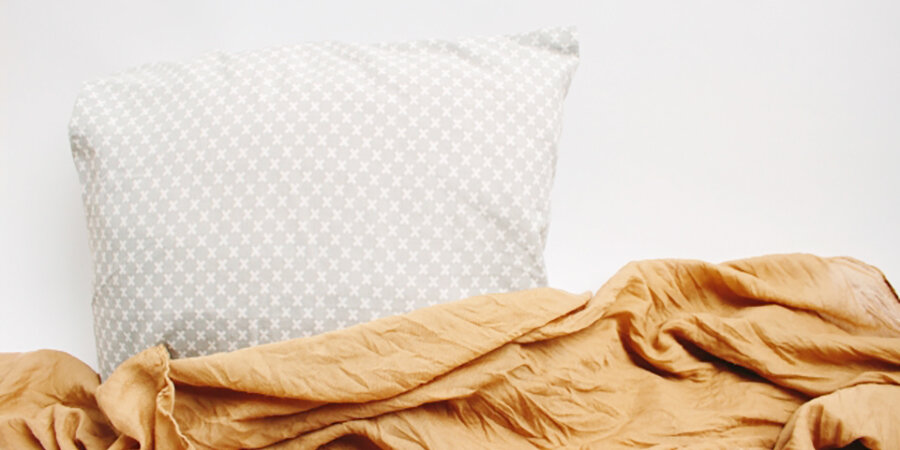
If possible for a long period, changing pillowcases and duvet covers daily prevents indoor air from being polluted by dust and dirty, dead skin.
6. Wipe with a wet cloth regularly
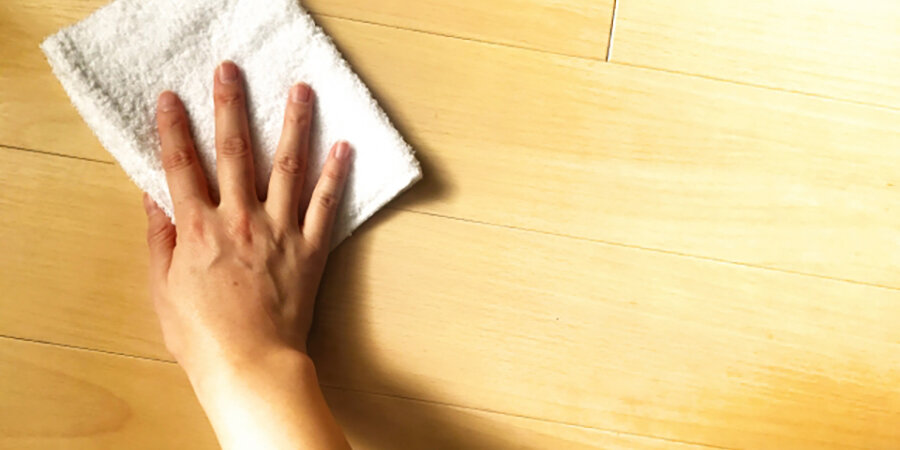
Regular cleaning is very important for maintaining clean indoor air. Furthermore, wiping with a wet cloth is even more effective in preventing pollutants from becoming airborne. This is especially effective in households with small children who crawl on the floor.
7. Prevent tobacco smoke from entering indoors

If tobacco smoke enters a room, the indoor air becomes significantly polluted. Measures such as not smoking indoors or smoking outdoors will be necessary.
If you want to clean your indoor air, consult a professional.

Regular ventilation and cleaning are necessary to keep indoor air clean. However, there are limits to this.
While it may be costly and not something you can do frequently, professionals can effectively remove indoor dirt using their expertise and specialized cleaning agents and tools. There is no doubt that you can transition from polluted air to living in clean air.
▶ Air King | Air Conditioner Cleaning