


As spring arrives, how are your hay fever symptoms? Many of you may have been suffering since winter and can't do without medication. How long will we have to suffer from pollen? It's really frustrating. Today, I'd like to share "tips for smartly overcoming hay fever."
Checking the pollen dispersal season, in the Kanto region, cedar and cypress pollen are active from April to early June, grass pollen from April to September, and ragweed and mugwort pollen from mid-August to the end of September. So, some kind of pollen is always airborne.
If you suffer from hay fever, you need to take measures to keep pollen away as much as possible when you go out, such as wearing masks and glasses, and choosing clothes made of smooth materials like polyester that pollen doesn't easily stick to.

Reference: Pollen Calendar - Kanto
Pollen comes in with your clothes
However, there are cases where people experience sneezing and runny noses not only when they are out, but also when they are inside the house... It's strange since they are indoors.
In such cases, it's possible that pollen has unknowingly been brought into the house. To prevent pollen from entering your home, it's essential to wear smooth clothing, of course, but also to thoroughly brush off pollen at the entrance.
Furthermore, it's recommended to remove it with wet wipes or a special brush for clothes.

Don't overlook "ventilation ducts"!
Do you know about ventilation ducts? They are often overlooked because they are in inconspicuous places in the house, but they are these things attached to the walls of living rooms.
These "ventilation ducts" are also places where pollen can easily enter. If pollen clogs the filters installed in the ventilation ducts and air continues to be supplied, pollen can even get pushed in and infiltrate...
Many people probably haven't touched them since they moved in. When pollen season arrives, make an effort to clean the ventilation ducts and wash or replace the filters.
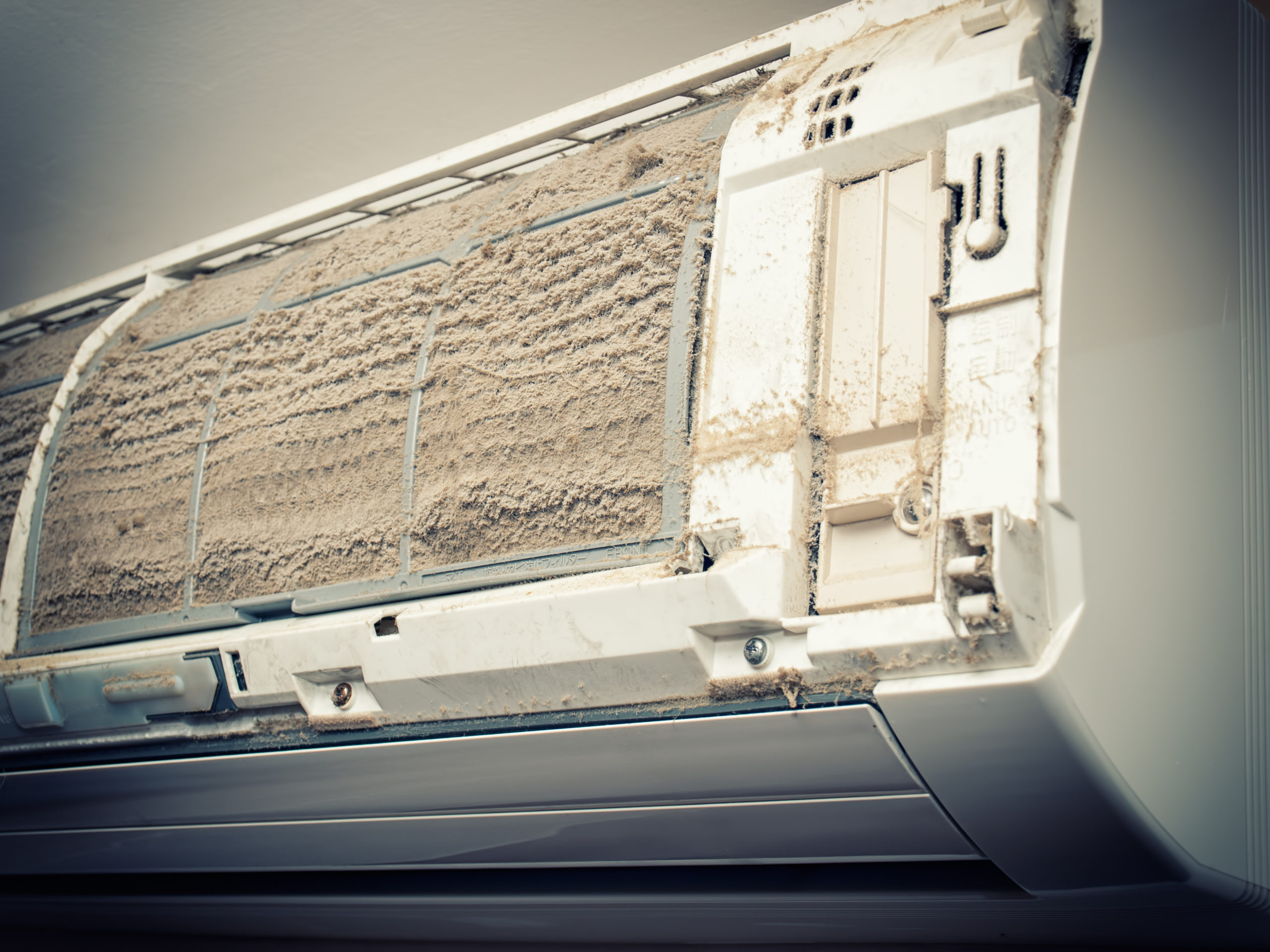
Air conditioners that suck in pollen brought inside
You also need to be careful with air conditioners.
It's often misunderstood, but air conditioners don't draw in outside air; they warm or cool the indoor air. So, there's no need to worry about pollen entering through them.
The problem is that pollen brought into the house gets stirred up and enters deep inside the air conditioner, where it adheres. If you continue to use it as is, you will end up dispersing pollen throughout your home.
For this reason, you should regularly remove and wash the built-in filters in your air conditioner to prevent pollen and dust from accumulating. Many manufacturers recommend doing this once every two weeks.
Additionally, we recommend having the inside of your air conditioner professionally cleaned periodically, such as once a year.
Leave troublesome cleaning to professionals
Cleaning deep inside an air conditioner yourself can cause malfunctions. You might not know how to remove ventilation ducts or air conditioner filters, or it might take a lot of time and effort. In such cases, it's safer to rely on experienced cleaning professionals. When replacing filters, it's a good idea to choose and install high-performance filters that effectively block pollen.
▶Air King | Air Supply & Ventilation Filters
▶Air King | Air Conditioner Cleaning