


The image of a big cleaning is that it's tough, time-consuming, and can't be finished in one day, but if you grasp the knack, you can have a clean house in one day.
This page introduces the right time and method to complete a big cleaning in one day. It's easy to practice, so please use it as a reference for this year's big cleaning.
When is the best time for a big cleaning?
While big cleaning is often associated with the end of the year, it doesn't have to be done then. The ideal time for a big cleaning is from autumn to spring, or even summer in some regions. The reasons for this are explained in detail below.
Spring, when clothes and seasonal appliances are swapped

Spring, a time when living environments change, and you put away winter appliances and start preparing summer ones, is an ideal season for a big cleaning.
You can organize your closet when changing clothes, and while cleaning and putting away winter appliances like kotatsu and fan heaters, you can also review your storage, making it easy to dispose of unnecessary items.
Cleaning before summer can prevent mold
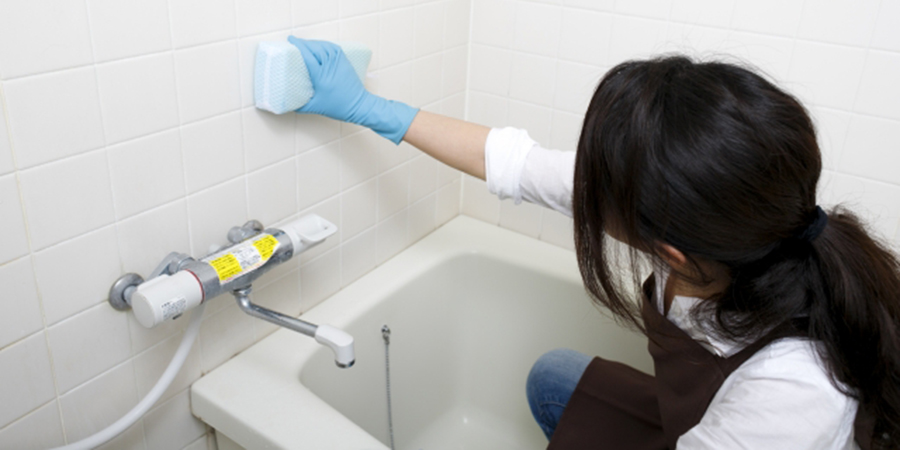
One of the most troublesome parts of a big cleaning is removing mold stains. Mold spores multiply rapidly when temperatures and humidity are high, making them prone to growth during the rainy season and summer. In winter, when mold has settled, even mold removers may not be effective.
If you thoroughly clean the mold and slime in the kitchen's water areas, washroom, and bathroom in spring, it will prevent mold from growing during the rainy season, allowing you to remove mold with regular cleaning even after summer.
Also, if you clean your air conditioner instead of seasonal appliances, you can use it anytime without worrying about mold, even with sudden temperature changes.
Spring is an ideal time for a big cleaning, not only because it's easy to organize clothes and unnecessary items, but also because it helps suppress mold growth.
Autumn, when it's still warm, is the best time for a thorough cleaning.
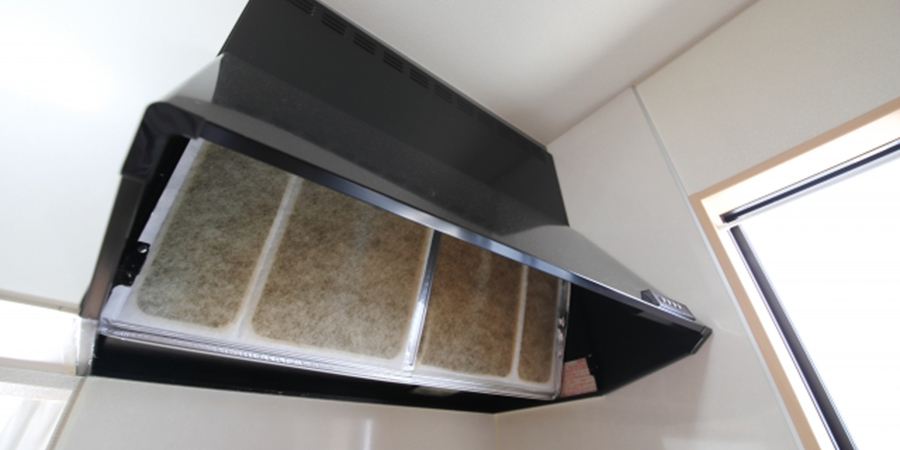
The kitchen is a place where not only mold but also stubborn grease stains accumulate. Grease stains are difficult to remove in the cold winter, so let's clean them in autumn.
When the temperature is low, oil doesn't soften easily, and it can be harsh when combined with detergent. From early autumn in September to October, there are many days when the temperature is around 20℃, and it's still warm.
Compared to winter, grease and detergent can be reviewed, and dirt is easier to remove, so it's best to plan a thorough cleaning of the kitchen's range hood, stove, and surrounding walls in autumn.
You can clean up the remnants of summer dirt and welcome winter. Cleaning the less noticeable areas of the air conditioner's entrance in autumn will also make year-end cleaning easier.
Laundry dries well in autumn, which has many clear, dry days!
Bacteria and dirt accumulated in summer adhere to all large fabric products such as sofa covers, cushions, sheets, carpets, and curtains.
During a big cleaning, you might want to wash all large fabric items, but the problem is that they don't dry well in mid-winter when the sun sets early and the temperature is low.
Autumn, with its mild and dry weather, allows a large amount of laundry to dry at once. If managed well, the washing of large fabric products can be completed in one day.
Summer is recommended depending on the region

Japan has varying temperatures depending on the region, so spring and autumn might still be chilly in some areas. In such regions, it's recommended to do a thorough cleaning in the summer.
In cold regions, dirt won't come off unless it's warm

The most challenging part of a big cleaning in regions with long cold periods is water work, but even more challenging is that dirt doesn't come off. When the temperature is low, grease stains, accumulated dust, and window dirt are hard to remove, which prolongs the water work.
In summer, even old dirt softens due to the heat, making it easier to remove and shortening the time spent on water work.
Additionally, the rainy season is short, and humidity is lower than in warmer regions during summer, so a thorough cleaning during this period allows you to welcome the year-end and New Year in a clean state.
How to get your big cleaning started in one day!
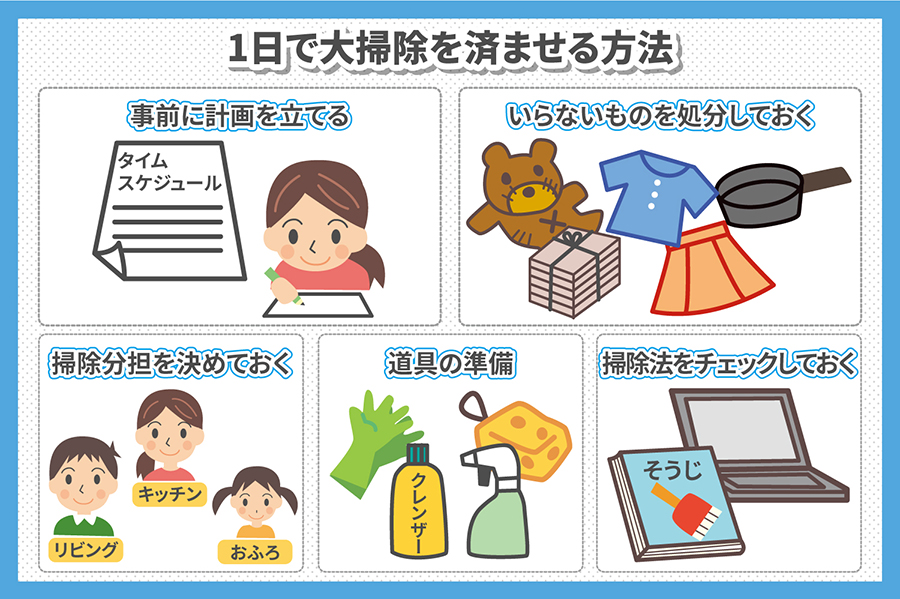
If you tackle your big cleaning during mild weather seasons like spring or autumn when cleaning is easier, year-end cleaning becomes more enjoyable. Here's how to efficiently complete your big cleaning in one day.
Plan your cleaning before you start

A big cleaning started without a plan won't be finished in one day. Let's try to make a plan in advance on how to proceed.
You will likely find areas that are difficult to clean normally, and spots or items where dirt has been left untouched.
With this, you can efficiently proceed with cleaning, for example, by starting with applying detergent to the range hood's grease stains and bathroom mold, then tackling other cleaning tasks while they soak.
Dispose of unnecessary items before the big cleaning
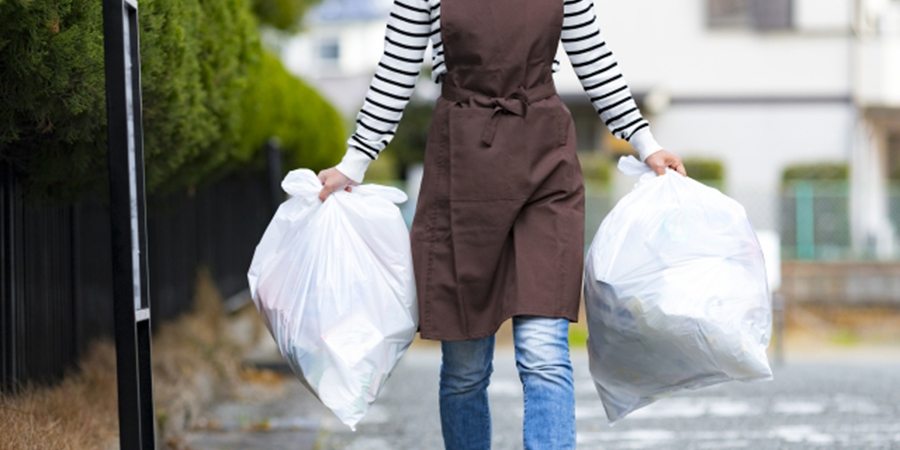
Once you have a solid plan, the next step is to get rid of unnecessary items. One reason why a big cleaning doesn't finish in one day is the unwanted items that emerge during the process.
Even if you try to dispose of unwanted items on the day of the big cleaning, you can't get rid of them immediately if the garbage collection day doesn't match.
Instead of dealing with unnecessary items during the big cleaning, sort out what you don't need in advance and dispose of it promptly on the designated garbage collection day.
Research effective cleaning methods for various types of dirt

Dirt has various properties. By using the right detergent and cleaning method for each type of dirt, you can save time during your big cleaning.
For instance, covering mold remover with plastic wrap, or using 60-degree hot water for grease stains – these small efforts can clean dirt more thoroughly and improve cleaning efficiency.
Check online or in books for detergents and cleaning methods suitable for different types of dirt in advance.
Prepare cleaning supplies
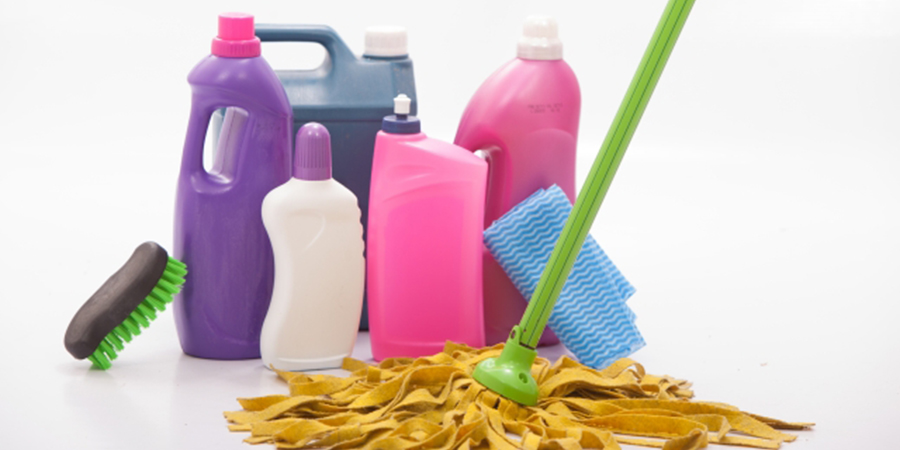
To clean stubborn dirt and areas not usually cleaned, you'll need specialized detergents and cleaning tools.
Mold on rubber seals cannot be removed with spray-type mold remover; you'll need gel-type products or baking soda. Grease stains also require strong detergents depending on the severity of the grime.
To avoid unnecessary hassle on the day of the big cleaning, check the necessary cleaning supplies in advance and prepare anything you're missing.
Assign cleaning tasks
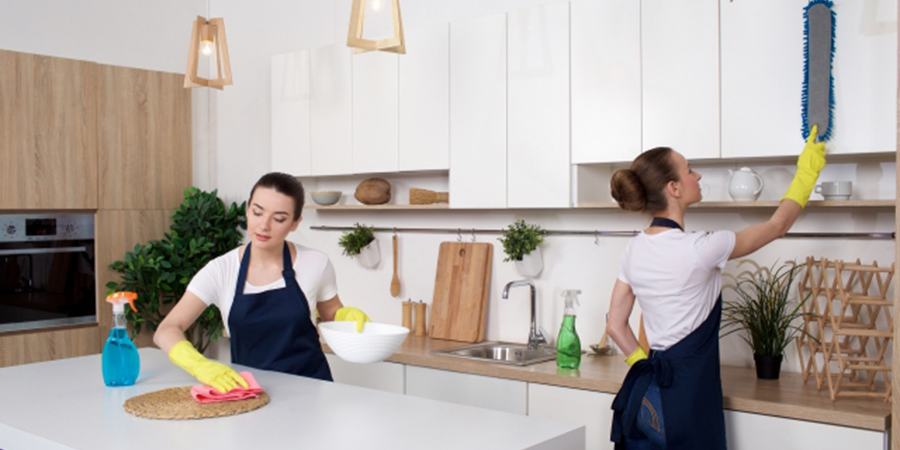
If you're doing a big cleaning with your family, decide in advance who will clean where and the cleaning procedure before starting. If you assign cleaning tasks on the fly, it will create extra work, such as explaining cleaning methods and preparing tools.
People who don't usually clean won't notice things, and a haphazard approach will just mean you have to clean again.
What can you do daily to prepare for a big cleaning?
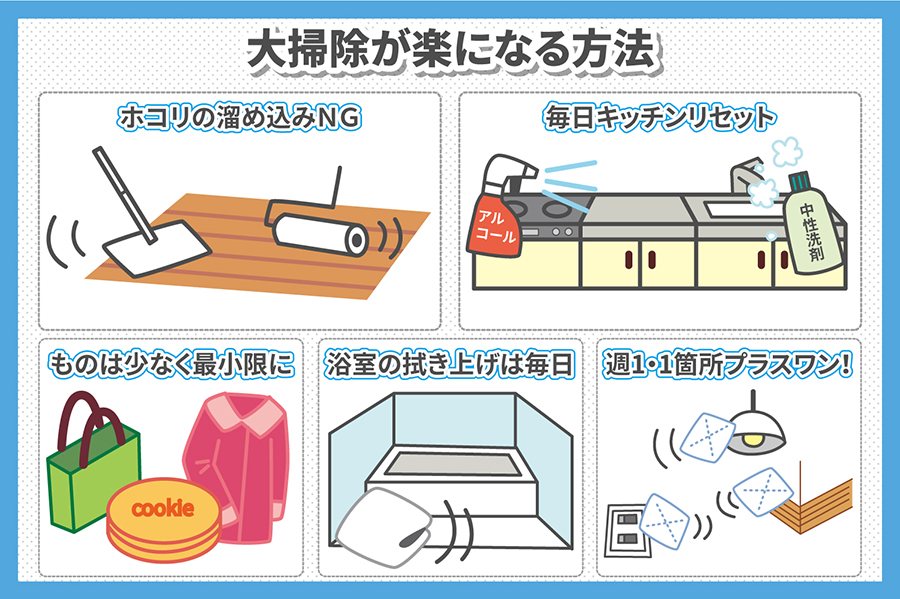
Even with careful planning, a big cleaning, which involves cleaning places not usually touched during regular cleaning, takes time.
Here are some preventive measures you can take during your daily cleaning to reduce the burden of a big cleaning.
Don't let dust accumulate
Dust accumulates in the house in just one day. Even in homes with few fabric products, dust is generated from clothes and towels in spaces where people move around, so even if it doesn't look visibly dirty, use a rolling wiper to clean.
If you leave dust, it mixes with human sebum and cooking oil, creating stubborn stains.
Perform a kitchen reset daily
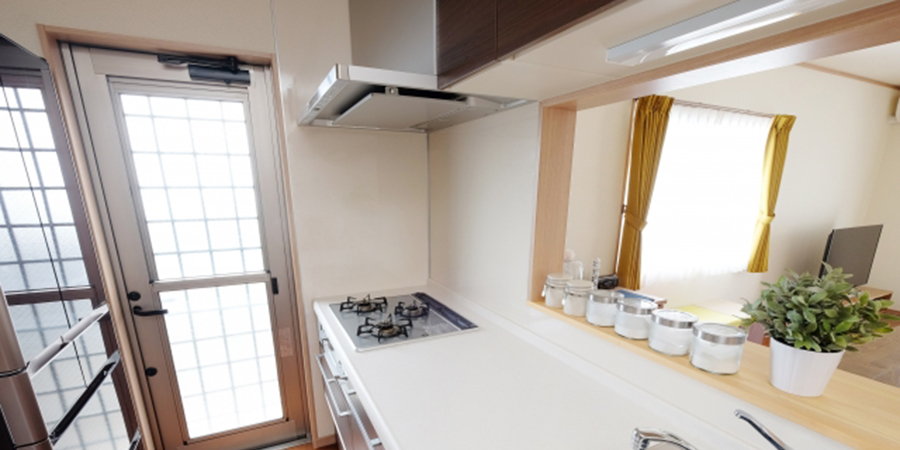
The kitchen, which is used frequently, can accumulate water stains and grease, making it difficult to clean if not done regularly. The ideal practice is a daily kitchen reset. Whether in the morning or at night, wash everything from around the gas stove to the countertop and sink with a neutral detergent. For areas that cannot be rinsed with water, simply wipe off the foam thoroughly with an old cloth and finish with an alcohol spray.
This prevents dirt buildup in the kitchen, making big cleanings easier.
Do one extra cleaning task once a week
Once a week, clean just one area that you don't usually clean.
It doesn't matter what it is: wiping light fixtures and bulbs, cleaning doorknobs and light switches in the house, or cleaning baseboards.
Just cleaning areas you don't normally clean can reduce the effort required for a big cleaning.
Wipe down the bathroom every day
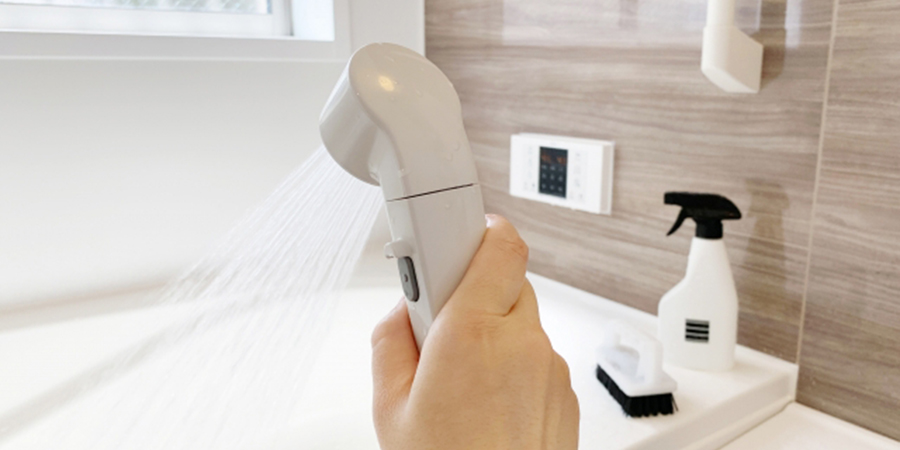
If water droplets remain in the bathroom, they become a source of mold growth. Soap scum and body oil stains also become harder to remove the longer they are left.
Ideally, you should clean not only the bathtub but also the ceiling, walls, accessory shelves, and bath items every day. However, if that's not possible, wipe off water droplets with a bath towel after using the bathroom.
If even that is too much trouble, simply spraying hot water from the shower thoroughly at the end is sufficient.
Develop the habit of not accumulating things
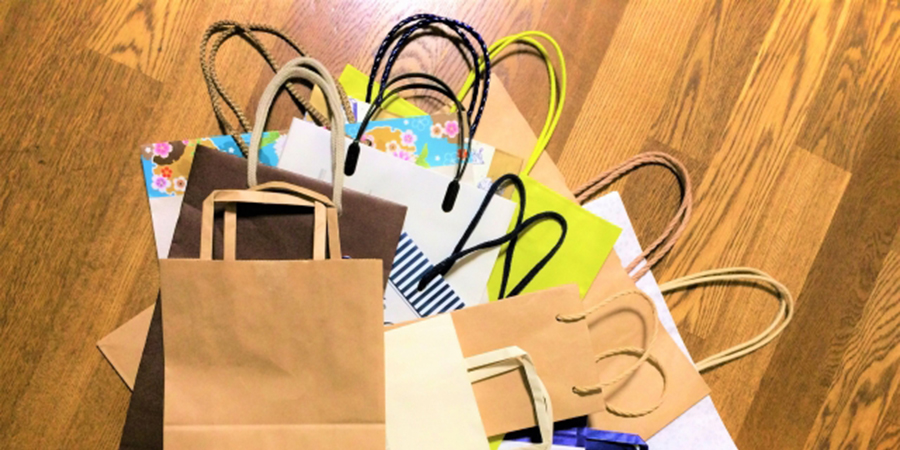
Plastic bags and paper bags from the supermarket, gifted sweets and juices, things you bought but don't use... all sorts of things accumulate in daily life.
When things pile up in your house, cleaning becomes a hassle, so cultivate the habit of not accumulating things.
Dispose of everything that has eventually become trash, set a limit on the number of plastic and paper bags you keep, and turn old clothes into rags. By doing so, you maintain an environment where only useful items remain, making cleaning easier.
When to call in the professionals!

While a thorough cleaning is primarily a family affair, sometimes it can be challenging to get everything perfectly clean due to various family circumstances.
Many people might think that hiring a professional house cleaning service is a luxury. However, it can sometimes save time if you don't overexert yourself and simply ask for help. Here are three situations that serve as a guide for when to request assistance.
Some areas remain dirty despite your best efforts.
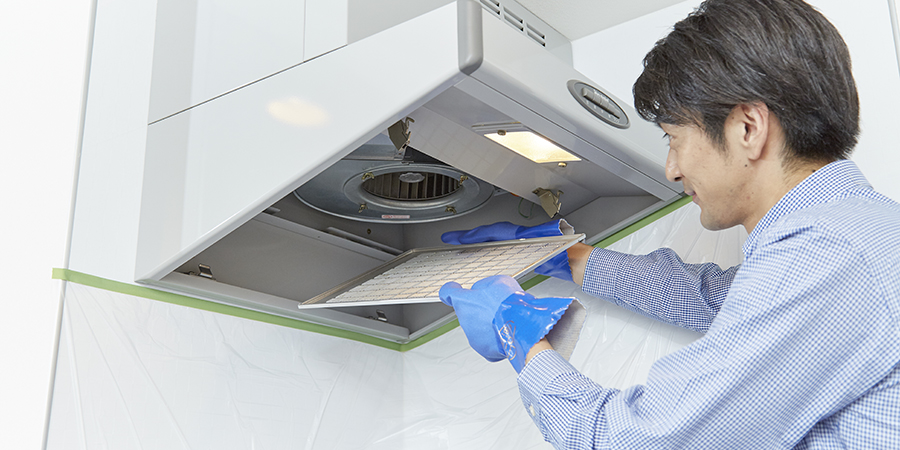
Grease stains inside the range hood or on the exhaust fan, and mold on walls or in the bathroom—there are some things that simply won't come off, no matter what cleaning method you try.
If left unattended, these stains and mold will accumulate further, so if there's dirt you can't remove even after a big cleaning, consider hiring a professional.
If you remove the dirt promptly, it will be easier to clean next time, so first, have professionals clean it perfectly.
Not enough time for a thorough cleaning due to work

When you're busy with work and childcare, even daily cleaning can be difficult, and a big cleaning that takes up an entire holiday would be even more time-consuming.
The feeling of "I should clean, but I can't" can become a source of stress.
In such cases, even if it costs money, it's recommended to hire a professional. You won't have to waste your precious holidays or feel stressed.
When you're physically exhausted
If you are elderly or physically find a big cleaning difficult, it's best to hire a professional without overexerting yourself.
Once professionals have thoroughly cleaned your home, daily cleaning becomes easier, so it's a good idea to rely on them to reset your home.
Preparation is key for efficient big cleaning!

When you clean daily, you might feel like a big cleaning is just an extension of that and doesn't require any special preparation. However, daily cleaning and a big cleaning are entirely different.
Also, there's a limit to what you can clean yourself. Hiring a professional for areas you can't clean thoroughly is one option.
▶Kuki no Osama | Air Conditioner Cleaning